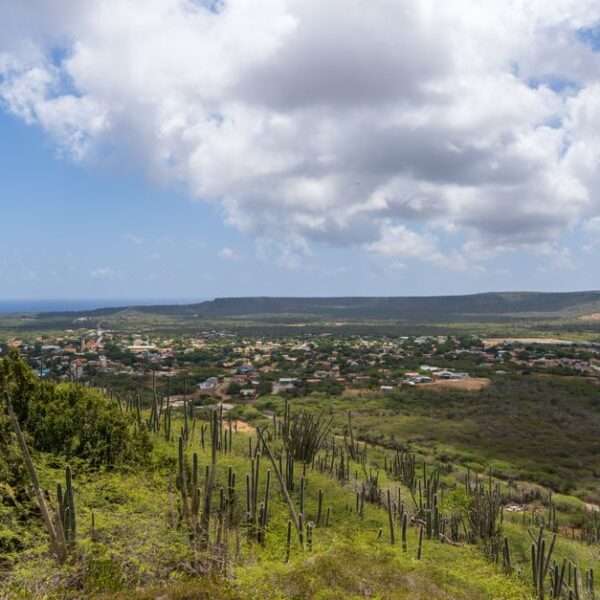

Standing on the southern coast of Bonaire on a very clear day, you can almost see the mountains of Venezuela. This proximity often leads travelers to ask: “Why don’t Aruba, Curaçao, and Bonaire belong to Venezuela?” 🧐
The answer lies in a complex game of “musical chairs” played by European empires during the 17th and 19th centuries. At Fiesta Tours Bonaire, we love sharing these stories that explain why we have such a unique identity today.
⚔️ 1. The Dutch Conquest (1634)
Originally, the Spanish Empire claimed all these islands after they arrived in 1499. However:
- The 80 Years’ War: While the Netherlands was fighting for its independence from Spain in Europe, the Dutch West India Company (WIC) attacked Spanish interests in the Caribbean.
- Strategic Hubs: The Dutch captured Curaçao in 1634 (and shortly after, Aruba and Bonaire) because they needed a deep-water port and a source of salt. 🧂
- Spanish Abandonment: Spain eventually focused its resources on the gold-rich mainland (now Venezuela and Colombia), leaving the islands to the Dutch.
📜 2. The Treaty of London (1814)
When Venezuela fought for its independence from Spain (led by Simón Bolívar in the early 1800s), the map was already set.
- Dutch Continuity: By the time Venezuela became a sovereign nation, the Dutch had already been in the ABC islands for nearly 200 years.
- International Law: After the Napoleonic Wars, the Treaty of London (1814) officially recognized the ABC islands as Dutch territories. Venezuela, as a new nation emerging from Spanish rule, inherited the borders of the “Capitanía General de Venezuela,” which did not include the Dutch islands.
🤝 3. Neighbors and Friends, Not Subjects
Throughout history, the relationship between the ABC islands and Venezuela has been one of deep cultural and economic exchange, rather than political ownership.
- Refuge and Support: In the 19th century, many Venezuelan leaders (including Bolívar himself) found refuge in Curaçao and Bonaire during their struggles for independence. 🏰
- Oil Synergy: In the 20th century, the refineries in Aruba and Curaçao were built specifically to process Venezuelan crude oil, creating a bond of prosperity and sports between the regions.
- A Modern Border: In 1978, the Kingdom of the Netherlands and Venezuela signed a formal Maritime Boundary Treaty, cementing our status as respectful neighbors. 📑🌊
🚐 4. Why This Status Benefits You Today
The fact that Bonaire is a special municipality of the Netherlands and not part of the mainland offers unique advantages for travelers:
- Safety & Stability: You enjoy European-standard nighttime safety and legal security.
- Infrastructure: Excellent information access and public services like our drinkable tap water.
- Easy Logistics: Our reliable airport transfers operate under the same strict regulations you’d find in the EU. 🚐💨
💡 Quick History Check for 2026
- Language Legacy: This history is why we speak Papiamentu—a beautiful mix of Spanish, Dutch, Portuguese, and African languages. Learn more about our language here. 🗣️
- Cultural Blend: You’ll find Venezuelan “Arepas” sold right next to Dutch “Bitterballen” in our best local restaurants.
- Bonaireans: Our people, the Bonerianos, are proud of this unique heritage that bridges two worlds. 🇧🇳🇳🇱
🌟 Verdict: A Unique Caribbean Identity
The ABC islands don’t belong to Venezuela because history followed a different path. Today, we are proud to be Dutch in law, Caribbean in heart, and South American in flavor. 🌅🐢
Want to see the historic sites where this history was made? Book a personalized island tour with Fiesta Tours Bonaire and let our guides bring the past to life! 🚐✨