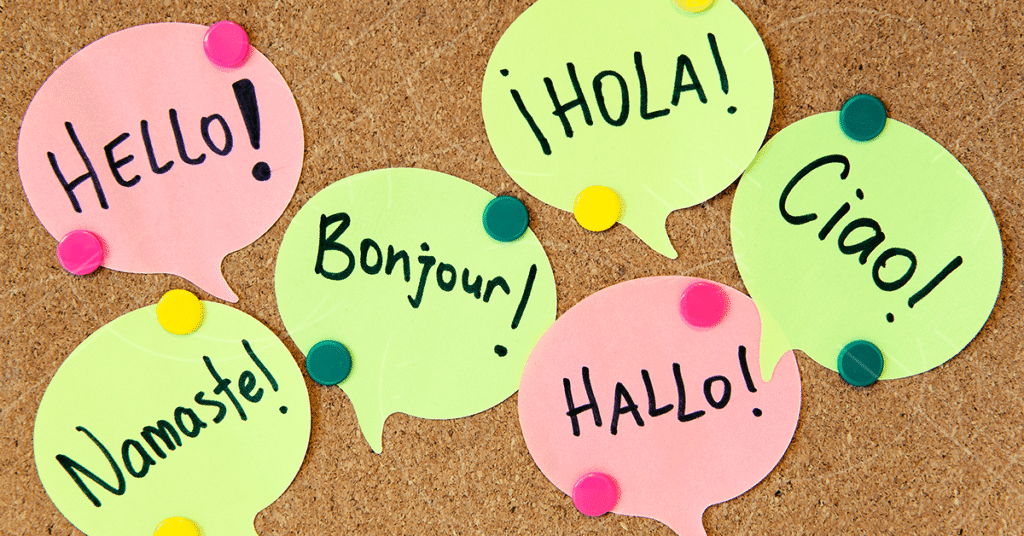
Planning a trip to Bonaire and wondering what language people speak?
You’re not alone. Many first-time visitors search for “Bonaire language” to find out how easy it will be to communicate on the island.
The good news? Bonaire is one of the most multilingual destinations in the Caribbean. Whether you speak English, Dutch, or Spanish, you’ll feel right at home.
Here’s everything you need to know about the languages spoken in Bonaire — and a few local phrases to impress your guides from Fiesta Tours Bonaire.
🌍 Which Languages Are Spoken in Bonaire?
🟡 1. Papiamentu – The Heart of the Island
Papiamentu (or Papiamento) is the most widely spoken language on the island.
It’s a Creole language with influences from:
- Spanish
- Dutch
- Portuguese
- African languages
- English
You’ll hear Papiamentu in local shops, with families, and among tour guides.
👉 Example phrases:
- Bon dia = Good morning
- Danki = Thank you
- Kon ta bai? = How are you?
- Ayo! = Bye!
🔵 2. Dutch – Official Language
Since Bonaire is a special municipality of the Netherlands, Dutch is the official language used in:
- Government
- Legal systems
- Schools and official documents
If you speak Dutch, you’ll feel especially comfortable in Bonaire.
🟢 3. English – Widely Understood
Most people on the island — especially in tourism — speak excellent English.
You can:
- Book tours in English
- Speak English at restaurants and hotels
- Understand signs and menus
👉 All Fiesta Tours Bonaire guides speak English fluently.
🔴 4. Spanish – Also Common
Due to Bonaire’s proximity to Venezuela and Colombia, many locals speak Spanish, too.
Spanish is often spoken:
- In shops
- Between locals
- With Latin American visitors
You might find some tour guides who are trilingual — Papiamentu, English, and Spanish!
📖 Quick Overview
| Language | Role on the Island | Where You’ll Hear It |
|---|---|---|
| Papiamentu | Most spoken, informal | Daily conversations, tours |
| Dutch | Official language | Government, legal, schools |
| English | Tourism and business | Tours, hotels, menus |
| Spanish | Regional influence | Markets, locals, informal use |
🧭 Do You Need to Speak Papiamentu?
Not at all! But locals love when you try a few words. It shows respect and curiosity.
Here are 5 easy phrases to learn:
| Phrase | Meaning |
|---|---|
| Bon dia | Good morning |
| Bon tardi | Good afternoon |
| Danki | Thank you |
| Mi stima Boneiru | I love Bonaire |
| Ayo | Goodbye |
👂 How to Listen and Learn on the Island
During your tours, listen for these languages being used — and don’t be shy to ask about them!
Fiesta Tours Bonaire guides are happy to:
- Translate
- Teach you a few Papiamentu phrases
- Share the island’s culture and history
👉 Book a tour with local guides
🧳 Language Tips for Travelers
- Use English in most tourist settings
- Bring a phrasebook if you speak Dutch or Spanish
- Don’t worry — locals are patient and friendly
- Practice a few Papiamentu greetings — it’ll make you smile 😊
📚 Related Blog Articles
- 📖 A First-Time Guide to Bonaire
- 📖 Travel to Bonaire – What You Need to Know
- 📖 Bonaire Island Adventure
🚐 Multilingual Tours with Fiesta Tours Bonaire
At Fiesta Tours Bonaire, we believe that language should never be a barrier to enjoying the island.
That’s why all our services are available in:
- English 🇬🇧
- Dutch 🇳🇱
- Spanish 🇪🇸
- And sometimes even German 🇩🇪
👉 See our available tours
👉 Contact us for a custom language experience
🏁 Final Thoughts: Language in Bonaire Is a Bridge, Not a Barrier
Bonaire’s multilingual charm is part of what makes the island so welcoming.
Whether you’re greeting a guide in Papiamentu, chatting with a shop owner in Spanish, or taking a tour in English, you’ll always feel connected.
Book with Fiesta Tours Bonaire to enjoy the island’s beauty — with guides who speak your language and share their passion.